Frequently asked questions about Horus IoT, the device, data, gateway, and automation layer of the Horus platform.
What is Horus IoT?
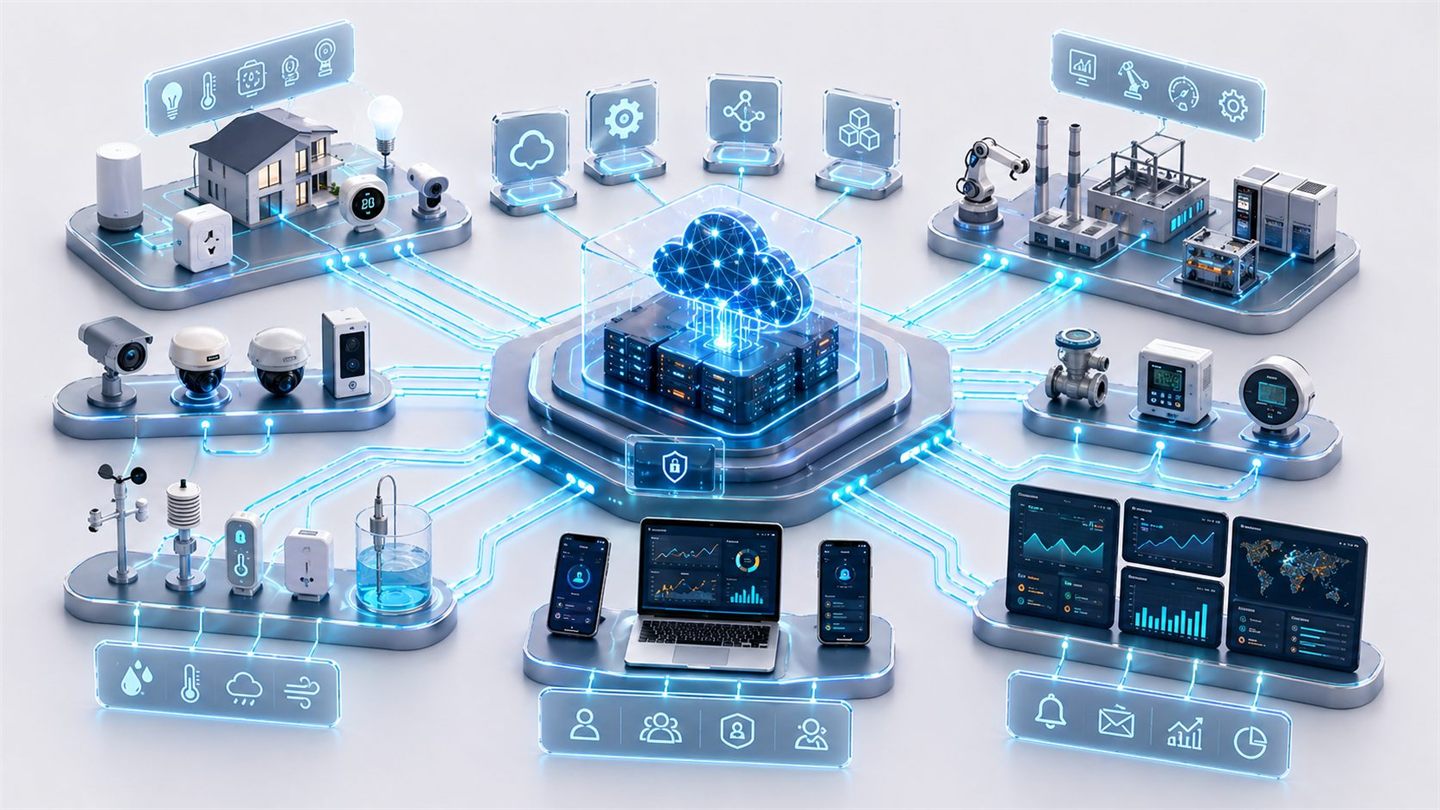
Horus IoT is the Horus layer that connects sensors, actuators, gateways, cameras, logical devices, and external platforms to turn field signals into normalized data, events, alerts, and operational actions.
What kinds of devices can it integrate?
It can work with IP equipment, gateways, industrial buses, SMS-enabled devices, LoRa, external APIs, and cameras used as sensors. The actual integration depends on protocol, firmware, connectivity, and available data.
Does Horus IoT only collect data?
No. In addition to collecting and normalizing data, Horus IoT creates operational history, triggers alerts, launches scenarios, executes remote actions, and connects field events with users, permissions, and dashboards.
Can it operate in sites with limited connectivity?
Yes, when the design accounts for it. Horus IoT can combine gateways, local communication, SMS, IP networks, alternate links, or deferred synchronization depending on the criticality of the use case and real site conditions.
What use cases is it designed for?
It is oriented to critical infrastructure monitoring, power, environment, datacenters, generators, water levels, early warning systems, fuel theft prevention, distributed technical sites, and field automation.
How are permissions and data managed?
Data, devices, dashboards, and actions can be organized by instance, user, group, site, or criticality. This controls who can see information, who receives alerts, and who can execute remote actions.
What value does operational history provide?
Operational history makes it possible to compare measurements, detect trends, reconstruct events, audit actions, and support predictive or forensic analysis. It is not only about seeing a current value, but understanding its evolution and context.
How is a Horus IoT instance enabled?
Every Horus instance starts with minimum capabilities when a user registers from Clipxu. In that initial state, the dashboard only shows monitors the user has been invited to by other Horus users.
To operate IoT devices and automations, the instance needs a plan that enables the required capabilities: users, administrators, groups, gateways, IoT devices, cameras, scenarios, calendars, device zones, recordings, and AI features. Specific capacities can then be contracted to expand sensors, sites, rules, or operating volume.